How Does Scarcity Influence Decision Making?
Scarcity is one of the most powerful psychological forces shaping human decision making. When something appears limited—whether in quantity, time, or accesswe instinctively assign it greater value. This reaction is deeply rooted in human psychology and plays a major role in how we evaluate opportunities, products, and choices.
Why Scarcity Works
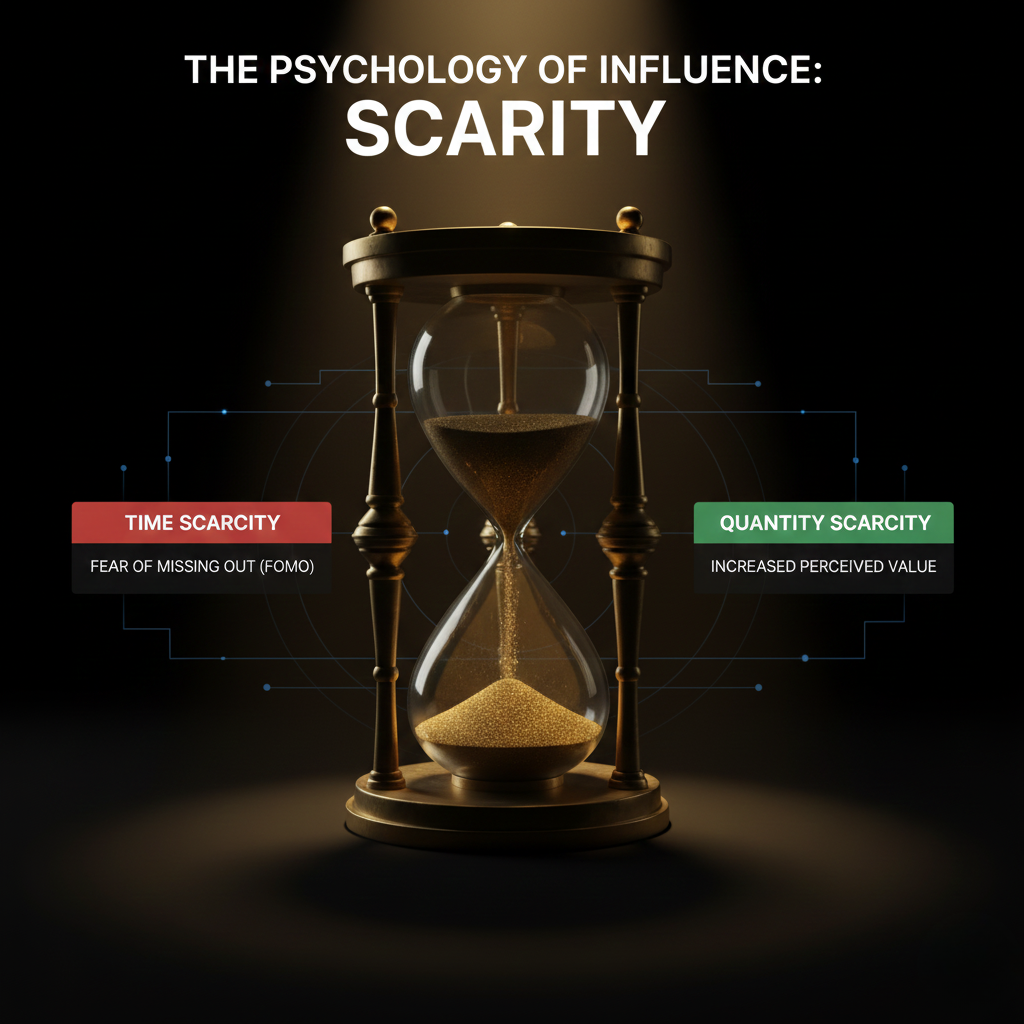
At its core, scarcity triggers a fear of missing out. When availability is limited, people worry that delaying a decision may result in losing the opportunity altogether. This sense of urgency pushes individuals to act faster and often with less deliberation.
Scarcity also acts as a signal of value. We unconsciously assume that if something is rare, it must be desirable. Limited availability suggests demand, importance, or exclusivity—even when the underlying quality remains unchanged.
How Scarcity Shapes Behavior
Scarcity influences decision making in several predictable ways:
-
Increased urgency: Time limits and limited quantities push people toward quicker decisions.
-
Heightened perceived value: Scarce options are often seen as more attractive or superior.
-
Reduced rational evaluation: Under scarcity, people are more likely to focus on what they might lose rather than objectively assessing costs and benefits.
-
Competitive instincts: When others are perceived as competing for the same limited resource, desire increases.
This explains why people often make decisions they later reconsider when scarcity additionally pressures them.
Common Forms of Scarcity
Scarcity can be activated in different ways:
-
Quantity scarcity: Limited availability or limited supply.
-
Time scarcity: Deadlines, expiration dates, or short windows of opportunity.
-
Exclusivity: Restricted access based on status, membership, or selection.
-
Information scarcity: Access to unique or non-public knowledge.
Each form triggers the same psychological mechanism: urgency combined with increased perceived value.
Using Scarcity Responsibly
Scarcity can be an effective influence tool, but it must be used ethically. Artificial or misleading scarcity can damage trust. When scarcity is genuine and transparent, it can help people prioritize decisions and recognize valuable opportunities.
Understanding scarcity also helps you resist its pull. By recognizing when urgency is influencing your thinking, you can pause and make more deliberate, informed decisions.